Sustainable Fencing Options for the Modern Suburban Homeowner Jun 25, 2026
One of the most popular sustainable materials is bamboo. Known for its rapid growth rate and strength, bamboo serves as an ideal eco-friendly fencing material. It is a renewable resource that requires fewer chemicals for processing and remains a resilient choice for creating privacy and aesthetic appeal. For homeowners seeking a natural look that blends seamlessly into green surroundings, a bamboo fence can be an excellent choice.
Recycled composite materials are another sustainable fencing option gaining traction. Composed of a mix of recycled wood fibers and plastic, these fences offer the appearance of wood without the maintenance. They resist rot, insects, and weathering, typically lasting longer than conventional wood fences. Additionally, choosing composites helps to reduce waste in landfills and repurpose materials that would otherwise be discarded, proving a responsible choice for environmentally aware homeowners.
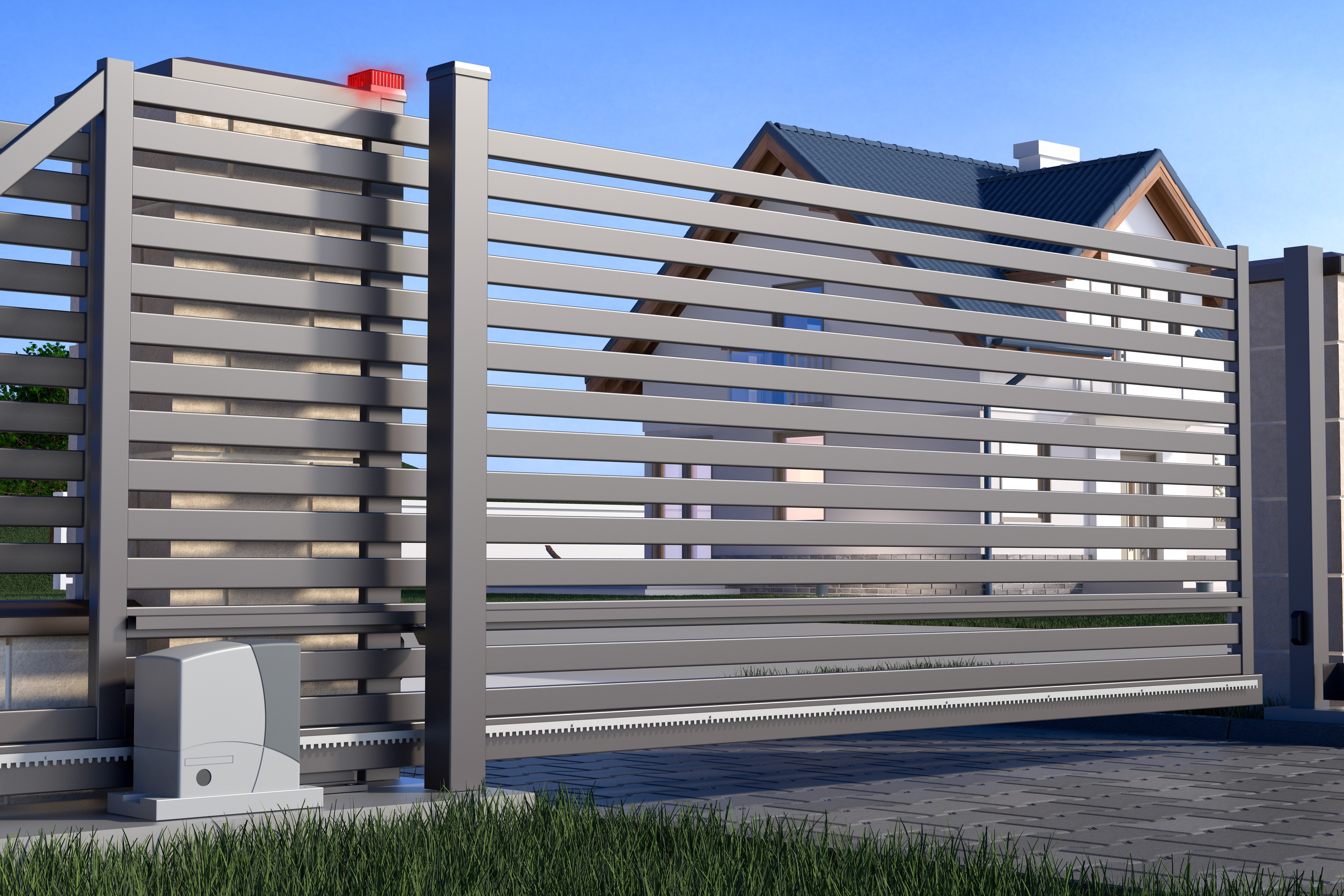
Metal fencing, particularly those made from recycled aluminum, is also a sustainable choice that offers durability and minimal maintenance. Aluminum fencing provides a polished look that complements modern home aesthetics. It doesn’t rust like iron, making it ideal for various climates. Opting for recycled materials further reduces the environmental footprint, and its recyclability ensures long-term sustainability.
Another growing trend is living fences, which not only serve as barriers but also contribute positively to the local ecosystem. Comprising hedges or other dense plant life, living fences offer natural habitats for birds and pollinators, thus enhancing biodiversity in your local area. Depending on the plant species, these fences can provide seasonal color, fragrance, and even food, such as berry-producing plants. While they require more initial planning and regular maintenance, their environmental benefits are substantial.
For those who want to traditional wood fencing, selecting options like sustainably harvested wood or using reclaimed wood can help minimize environmental impact. Look for wood certified by the Forest Stewardship Council (FSC), which ensures responsible forest management and harvesting practices. While wood fences may require more maintenance, periodic treatments and the use of natural sealants can extend their life and keep them environmentally friendly.
When considering sustainable fencing options, energy-efficient production processes and transportation also play a role. Purchasing materials from local sources can significantly reduce the carbon footprint associated with transportation. This local approach supports the community economy while ensuring quality suited to your regional climate.
In conclusion, selecting sustainable fencing options for your suburban home not only aligns with eco-friendly practices but also enhances your property’s curb appeal and value. By choosing materials such as bamboo, recycled composites, metal, living fences, or responsibly harvested wood, you can make a positive environmental impact. Suburban Fence and Gate is committed to providing solutions that meet the modern homeowner’s aesthetic and sustainability goals. Whether you are starting from scratch or thinking about replacing an old fence, exploring these options allows you to contribute to a greener future while enjoying a beautiful and effective boundary around your home.
/filters:no_upscale()/filters:format(webp)/media/8c273cfe-a99c-48a0-b19a-ee7d3915a311.jpeg)